

Let’s talk about the most underrated ten minutes of your push-in day: snack time.
Circle time gets all the glory (I’ve written about boosting focus and engagement there plenty of times). But snack time? Snack time is where the real language happens — because nobody’s performing for the group. Kids are relaxed, they’re motivated (hello, Goldfish crackers), and they’re sitting still for once.
That’s basically a therapist’s dream setup, and most of us walk right past it on our way to set up the next “real” activity. Put snack time and speech therapy together and you’ve got ten of the most productive minutes in your day.
This is really just another example of a bigger philosophy behind snack time and speech therapy: the best opportunities are already built into the day, you just have to notice them.
Here’s the thing about pairing snack time and speech therapy: you don’t need materials for this one. You need a plan. I’ve said it in my Push-in Playbook before — snack time and free play are the two best windows I’ve found for targeting utterance length, hands down.
Why Snack Time and Speech Therapy Work So Well
Combine snack time and speech therapy and you get three advantages that circle time doesn’t have:
- Built-in motivation. Kids want more crackers. That want is your leverage.
- Small group or one-on-one. You’re not competing with 15 other voices.
- Natural requesting opportunities. Every snack is basically a barrier game you didn’t have to set up.
That’s the heart of snack time and speech therapy — you’re not adding therapy to snack time, you’re just finally noticing it was there all along.

5 Ways to Blend Snack Time and Speech Therapy
1. Make requesting mandatory (nicely). Show the student their snack options. Don’t give them anything until there’s a request — a word, a sign, a point to a core vocabulary board, whatever matches the kid’s current level. This is the easiest one-goal-fits-most-of-your-caseload move you’ll make all day.
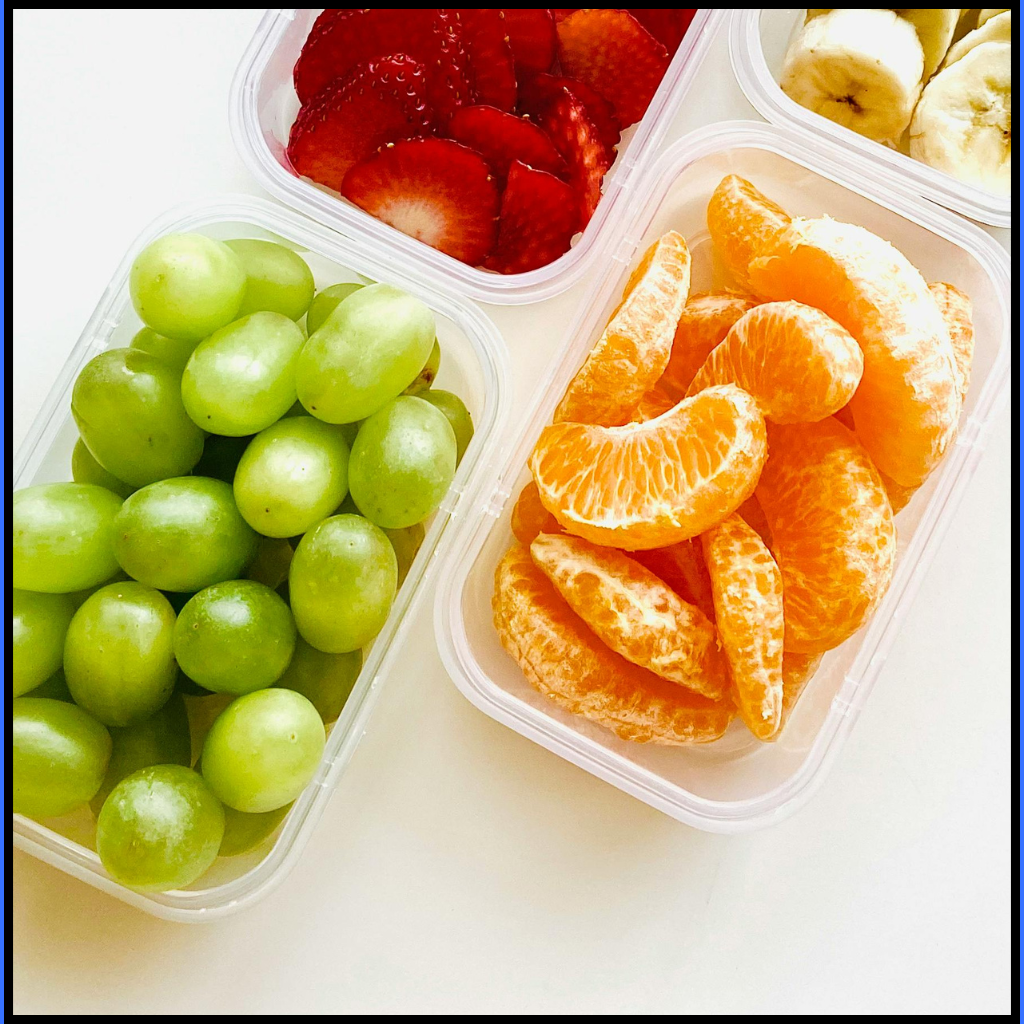
Give a small portion after each request — 1 or 2 crackers, not a handful. If you fill their hand or bowl right away, you’ve just talked yourself out of any more requesting opportunities for the rest of snack time, and a satiated kid isn’t a motivated kid. Small portions mean more requests, which means more data and more practice, all in the same ten minutes.
Offer more than one snack option — fish crackers or a piece of graham cracker, for example — so the student has to indicate a choice rather than just confirming the only thing on the table. Choice-making ups the language demand a notch and gives you a clearer picture of what they can actually communicate versus what they’ve just memorized.
2. Use the “oops, wrong snack” trick. Hand a student the wrong item on purpose. Wait. This is a low-key, high-yield way to elicit protest language, repair strategies, or a simple “no, I want—” depending on where they’re at.
3. Narrate like a sports announcer. “You’re pouring! You’re pouring the milk! Uh oh, it’s dripping!” This is the same aided language stimulation idea I love using with masked core vocabulary boards — no pressure to perform, just modeling in real time. Kids absorb vocabulary and sentence structure just from hearing it, no correct response required.
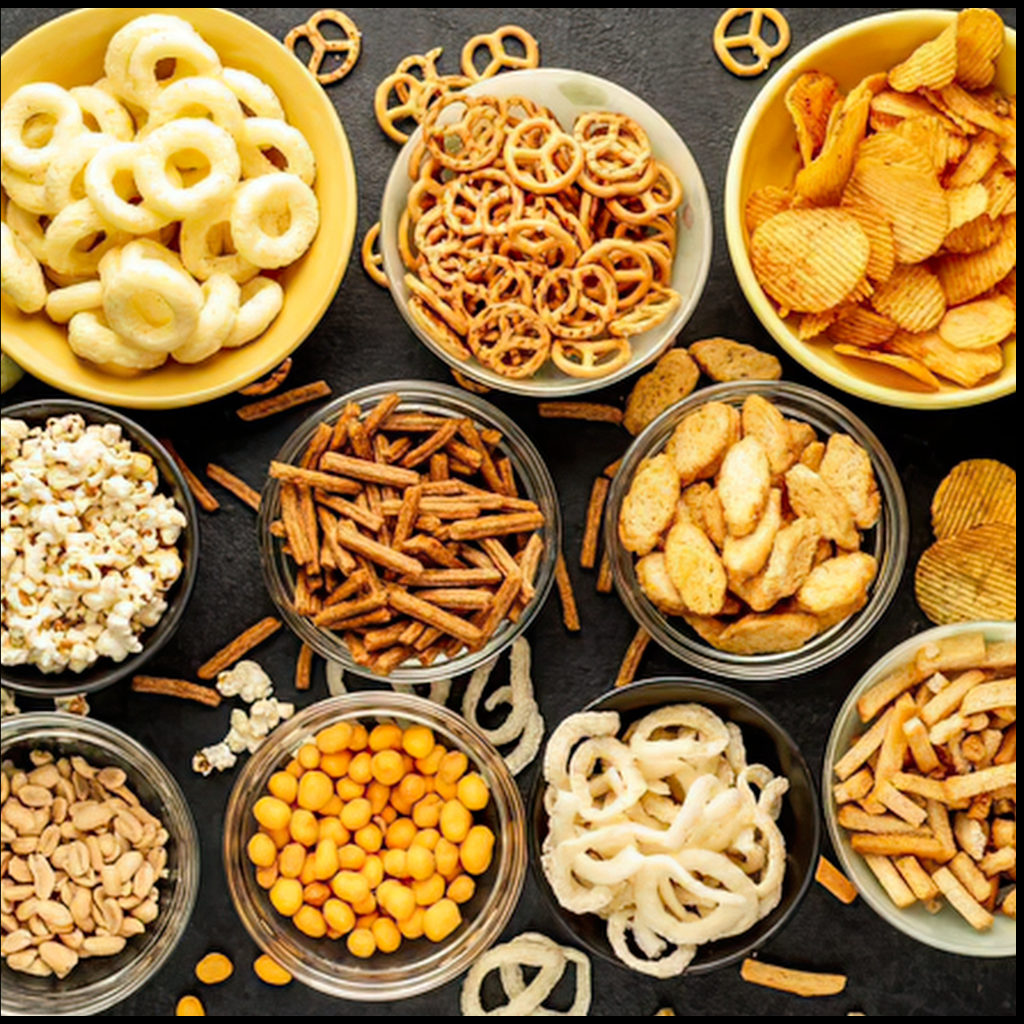
4. Turn “more” into a launching pad, not a finish line. “More” is great, but it’s also often where we stop. Push a step further: more what? More crackers or more juice? Get specific. This is a natural spot to build utterance length without it feeling like a drill.
For a student working on two-word phrases, that might sound like: “Molly will produce spontaneous 2-word utterances during classroom activities with words or another communication modality, 50% of the time for 2 out of 3 monthly data averages.”
Snack time hands you dozens of chances to collect exactly that — it’s exactly the kind of everyday moment I mean when I talk about writing practical, individualized IEP goals instead of ones that only work in a therapy room.
5. Recruit the paraprofessional or teacher. Snack time is chaos-adjacent, and you can’t be at every table. Give the adult in the room one simple phrase to repeat (“wait for words” or “point and ask”) so your strategy keeps working even when you’ve moved to the next kid.
The Data Bonus of Snack Time and Speech Therapy
Here’s what nobody tells you about snack time and speech therapy: it’s one of the easiest combinations for collecting authentic data, because you’re watching natural communication instead of a drilled response. I keep a simple hashmark data sheet on a clipboard by the snack table — one word, two words, three words, imitated vs. spontaneous — and tally as I go.
Here’s why I don’t rely on a single day’s numbers. Say I take data on a student working on 2-word utterances over three snack times in one week:
| Day 1 | Day 2 | Day 3 | |
|---|---|---|---|
| 1-word spontaneous | 2 (40%) | 3 (50%) | 0 (0%) |
| 2-word imitated | 3 (60%) | 3 (50%) | 2 (67%) |
| 2-word spontaneous | 1 (20%) | 0 (0%) | 1 (33%) |
| Total utterances | 6 | 6 | 3 |
That’s not much to go on — some days a kid just isn’t feeling chatty. So instead of scoring mastery off “80% for 3 out of 4 sessions,” I average the data monthly:
| Nov | Dec | Jan | |
|---|---|---|---|
| 1-word spontaneous | 5 (22%) | 1 (5%) | 0 (0%) |
| 2-word imitated | 12 (55%) | 16 (65%) | 15 (50%) |
| 2-word spontaneous | 5 (23%) | 8 (30%) | 15 (40%) |
| Total utterances | 22 | 25 | 30 |
Now I’ve got real numbers to trust — and I can see this student’s spontaneous 2-word utterances climbing from 23% to 40% over three months. There’s no way that’s a fluke. One rough day at snack time doesn’t tank a progress report, and a good day doesn’t fake one either.
Try It This Week
Start slowly. Pick one kid. Show up at snack time with nothing but a plan in your head and your data sheet by your side. You’ll be surprised how much language happens in ten minutes when nobody’s trying to perform for an audience — including you. That’s the whole case for pairing snack time and speech therapy: no new materials, no extra minutes carved out of your day, just a routine you’re already running, put to work.
Data Sheets, Anyone?
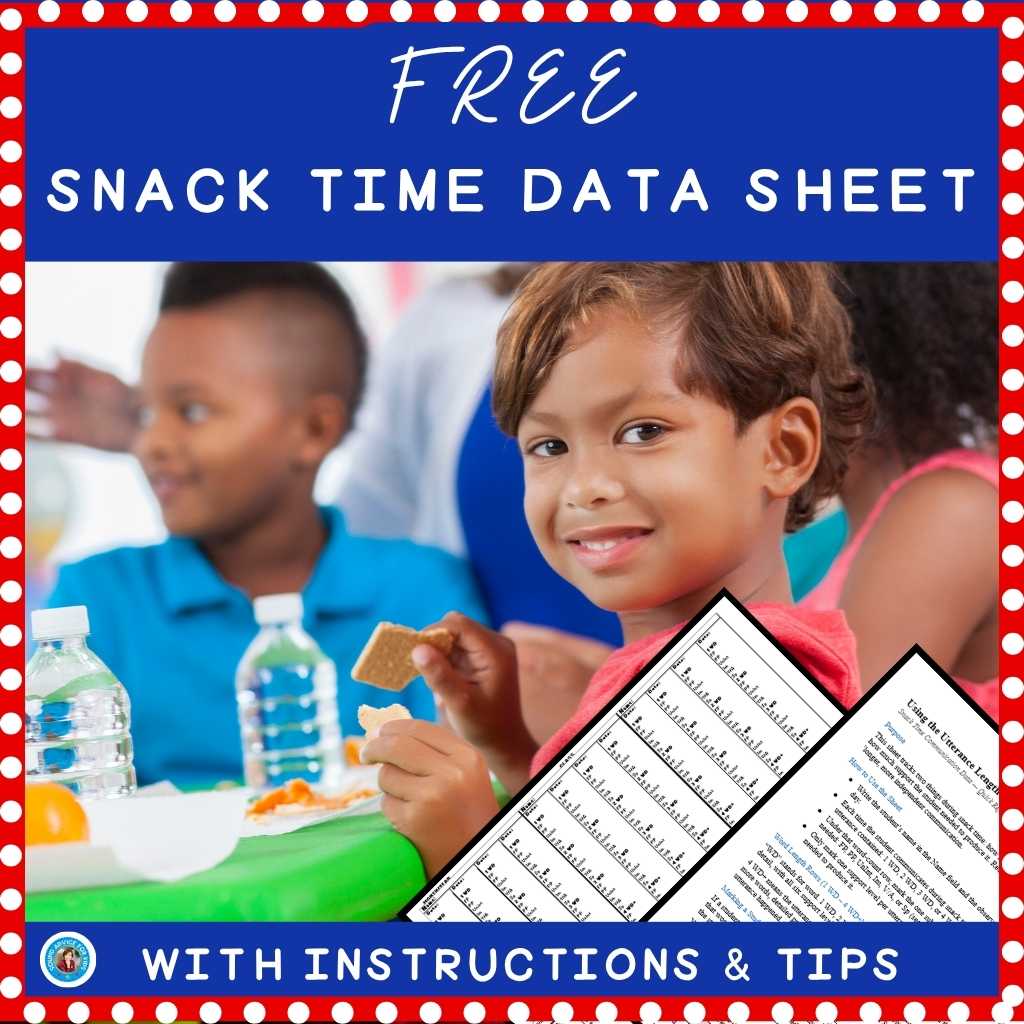
Want the exact hashmark data sheet I use to track snack time and speech therapy sessions (and everywhere else)? Grab my free Snack Time Data Sheets, with instructions and tips, and stop rebuilding your data tracking from scratch every month.